

If you’re in the middle of wedding planning and feeling overwhelmed by the idea of building a timeline — you’re not alone. One of the most common things I hear from couples is: “We just want the day to feel easy, not rushed.” And honestly? That’s the goal.
A wedding day timeline shouldn’t feel like a checklist you’re sprinting through. The best timelines leave room to breathe, room to be present, and room for your day to unfold naturally.
Because the truth is: the most meaningful photos don’t happen when you’re being told where to stand every five minutes. They happen in the in-between. The deep breaths. The laughs with your friends. The quiet moments you don’t realize are happening until you see them later in your gallery.
In this post, I’m sharing a wedding day timeline that actually works — one that’s photography-friendly, honors the planner’s structure, and also gives you the space to genuinely enjoy your day.
Why the Timeline Matters More Than You Think
Your timeline impacts everything: how you feel, how your guests experience the day, and how your photos look.
When a timeline is too tight:
- portraits feel stressful
- things run behind (fast)
- you spend the day being pulled from moment to moment
- the photos tend to feel more “posed” because there isn’t time for anything else
When a timeline is built well:
- you stay present
- you aren’t constantly being rushed
- you have time to enjoy your people
- your photos look effortless and documentary because real life has room to happen
I always tell couples: the secret to natural, documentary-style wedding photos isn’t being “good at posing.” It’s giving your day the space to unfold.
The #1 Thing Couples Forget to Add to Their Timeline: Buffer Time
Buffer time = breathing room.
It’s the 10–15 minutes here and there that saves your entire day. The time built in for:
- bustling a dress
- grabbing water
- greeting someone important
- reapplying lipstick
- a champagne toast that turns into a moment
Buffer time doesn’t mean your day becomes chaotic — it means your day stays peaceful.
And when you’re calm? Your photos reflect it.
12:00 PM — Details + Getting Ready Begins
This is when your photographer arrives (or slightly before).
What we capture:
- invitation suite + paper goods
- heirlooms, jewelry, perfume
- dress, shoes, veil
- getting ready candids (hair/makeup, robes/pjs, music, mimosas)
1:30 PM — Final Touches + Getting Dressed
This is where emotion starts showing up — and it photographs beautifully.
What we capture:
- buttoning / zipping the dress
- veil placement
- gift exchanges
- letters
- bridesmaids reacting to the final look
2:00 PM — Solo Portraits (10–15 min)
Short, simple, and flattering.
This allows you to get:
- a few stunning bridal portraits
- close-ups of bouquet, veil, dress details
2:35 PM — Couple Portraits (30–40 min)
Perfect space for a first look and time to actually breathe and speak to each other. I always give my couples a few minutes after the first look where I step away and let them interact without a camera in their face.
- a variety of angles + movement
- a little walking + natural interaction
- those romantic timeless frames
3:20 PM — Wedding Party Photos (20–30 min)
This is where we knock out:
- full wedding party
- smaller combos
- fun walking or celebratory candids
It works best when:
- everyone is present
- bouquets/boutonnieres are on
- drinks are nearby (lol)
3:50 PM — Family Formals (20–30 min)
Fast + organized.
Family photos go smoothly when you have:
- a list made ahead of time
- someone assigned to gather people
- immediate family nearby before we start
4:30 PM — Hideaway / Freshen Up / Guest Arrival
This part matters more than couples realize.
This is the window for:
- restroom break
- touch-up makeup
- hydration + snack
- private breath before ceremony
5:00 PM — Ceremony
Plan your ceremony start time with lighting in mind (especially if outdoors).
If your planner is handling timeline, they’ll account for:
- seasonal sunset times
- travel time between ceremony + reception
- venue rules
5:30 PM — Cocktail Hour
It’s relaxed, social, and full of movement:
- hugs
- laughter
- champagne cheers
- guests interacting
6:15 PM — Sunset Portraits (10–15 min)
This time doesn’t need to feel like another photoshoot. It can feel like:
- “Hey, let’s sneak away for a second.”
- “Let’s breathe.”
- “We’re married.”
6:30 PM — Reception Begins
The flow varies depending on your choices:
- grand entrance
- first dance
- parent dances
- toasts
- dinner service
Reminder: you don’t have to pack your reception timeline so tightly that you don’t get to enjoy it.
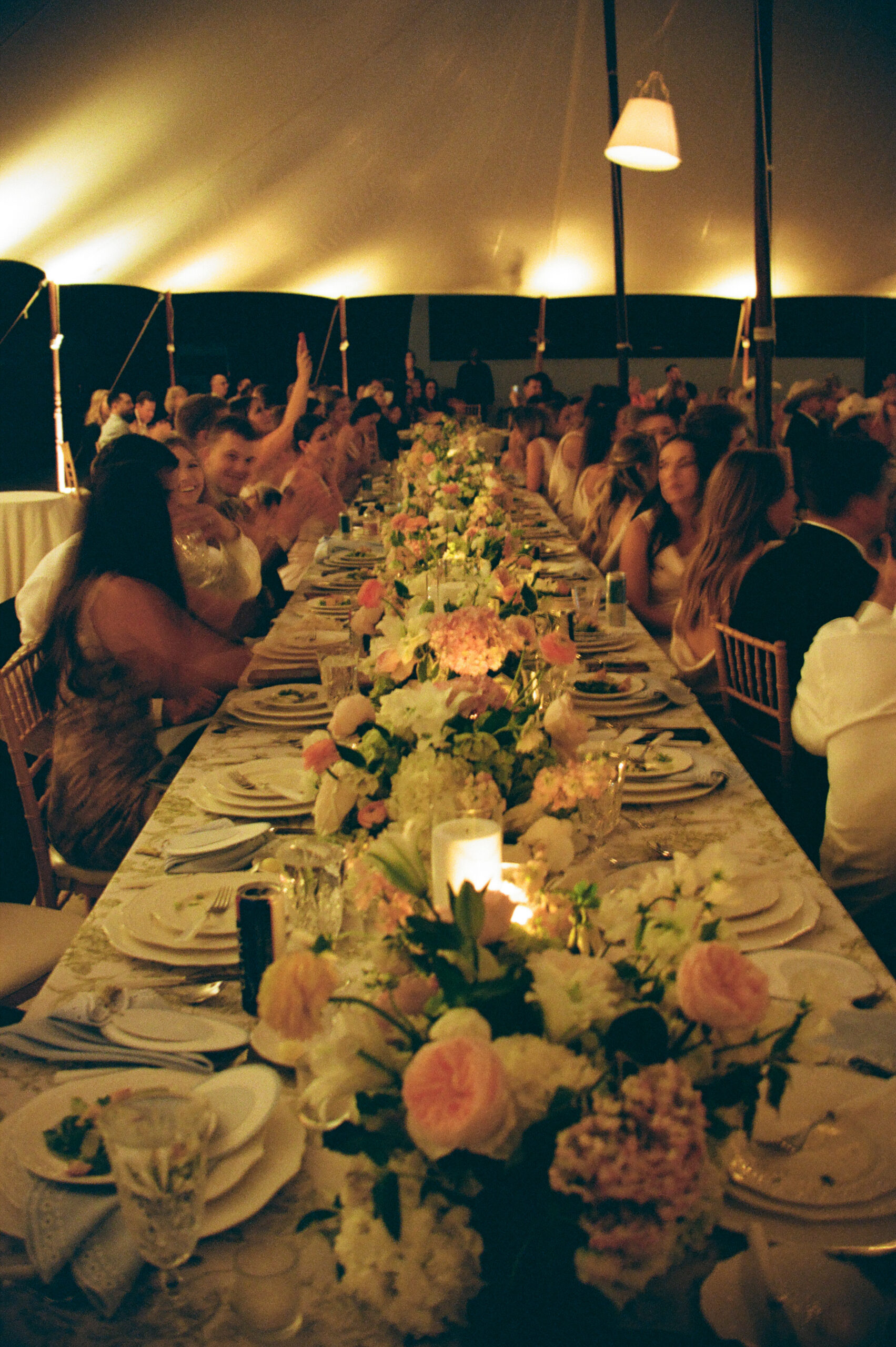
The best reception photos happen when:
- people are relaxed
- you aren’t being rushed
- you’re actually present
8:00 PM — Open Dancing + Documentary Coverage
This is when we document:
- dance floor energy
- guest candids
- intentional flash moments
- big laughter + real joy
A wedding day timeline that truly works isn’t about squeezing everything in — it’s about leaving room for what matters.
When your day has breathing room, your photos naturally become more documentary. More emotional. More honest. And more timeless.
Because you’re not rushing through the day trying to “perform” it… you’re actually living it.
If you want a timeline that feels peaceful, intentional, and photography-friendly (without taking away from the flow of your day), I’d love to help. Reach out here to inquire about availability and receive my full investment guide.

